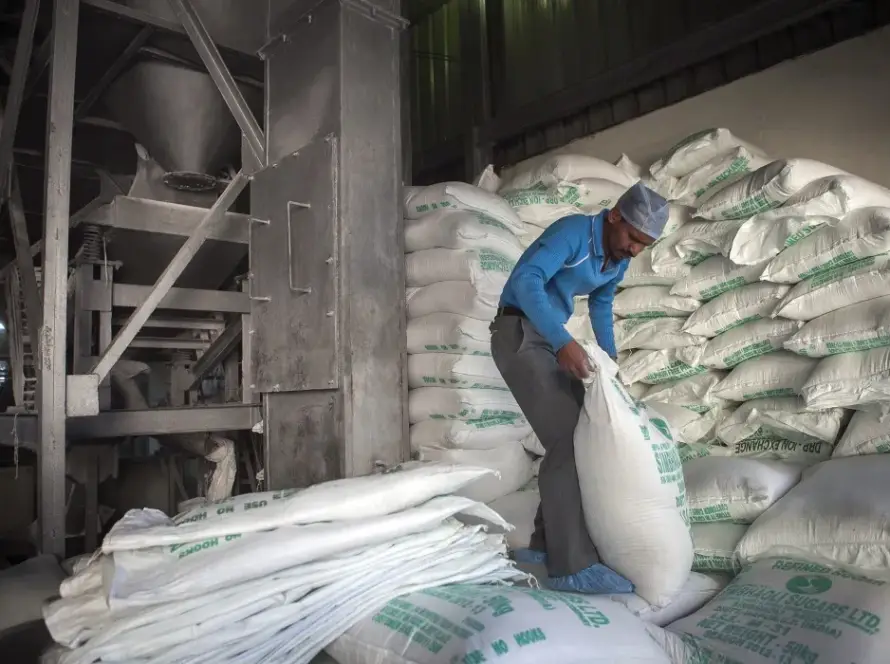
Efficient handling and storage of bulk goods (grains, sugar, animal feed, etc.) is vital for food security and profitability. Large-scale farms and traders like Dhara Traders rely on modern warehouses, silos, and transport systems to move produce from farms to markets. The key goals are to protect quality, prevent spoilage, and speed up flow through the supply chain.
Modern Storage Facilities
Today’s bulk storage often uses climate-controlled silos and warehouses. Metal or concrete silos keep grain dry and cool, while automated aeration systems circulate air. For example, properly managed silos in India lose only about 1–2% of grain over long storage frontiersin.org. In contrast, simple ground or bag storage can see losses of 20–50% if not managed carefully. Even low-tech improvements can help: lining warehouses, sealing roofs, and using pallets to keep bags off the floor. Farmers are also advised to fumigate or treat storage areas and containers before each use.
Minimizing Post-Harvest Loss
Reducing losses is as valuable as increasing harvests. Studies show that every percentage point saved in storage adds up like gaining extra production frontiersin.org. In India, the Food Corporation’s expert management of wheat stores results in only 0.3% loss over three years frontiersin.org. This level of care involves scheduling grain drying, controlling pests, and regular inspections. For traders, investing in good warehousing (and following guidelines like those from IARI) means more sellable grain and higher profits.
Efficient Handling Practices
On the farm and at collection points, bulk goods are moved by specialized equipment. Tractors, conveyor belts, and grain vacuums can transfer tons of grain quickly. Workers use weighbridges and moisture meters to check loads, ensuring each truck meets quality standards. When loading or unloading, care is taken to minimize spillage and breakage.
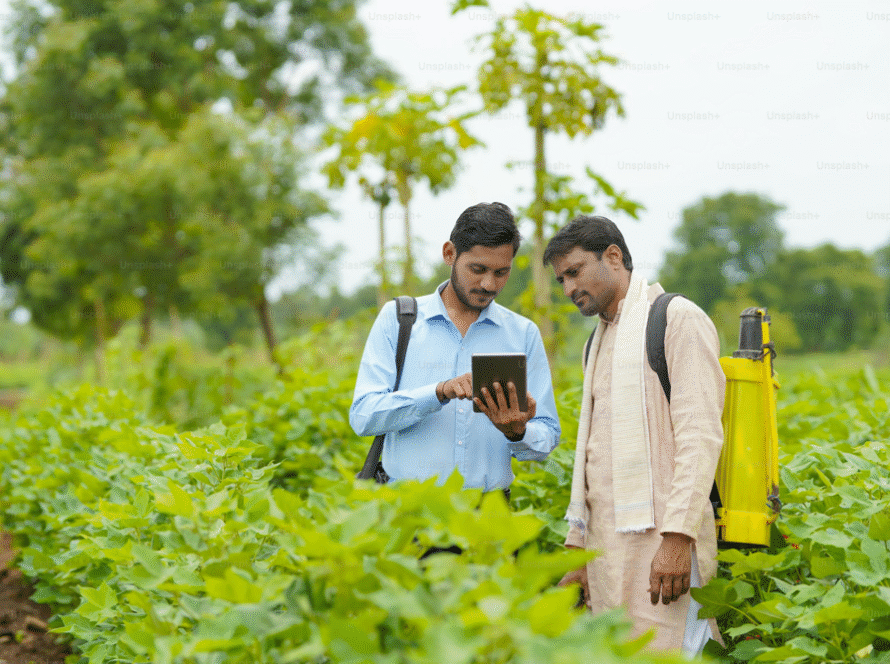
As an example, combining modern tech with best practices makes a difference: grain is dried and tested in the field, then transported in sealed containers to storage yards. This way, Dhara Traders and other agribusinesses can maintain a steady supply of crops (from wheat and rice to sugarcane and oilseeds) without costly waste. Proper bulk handling ultimately keeps prices stable for farmers and consumers alike.