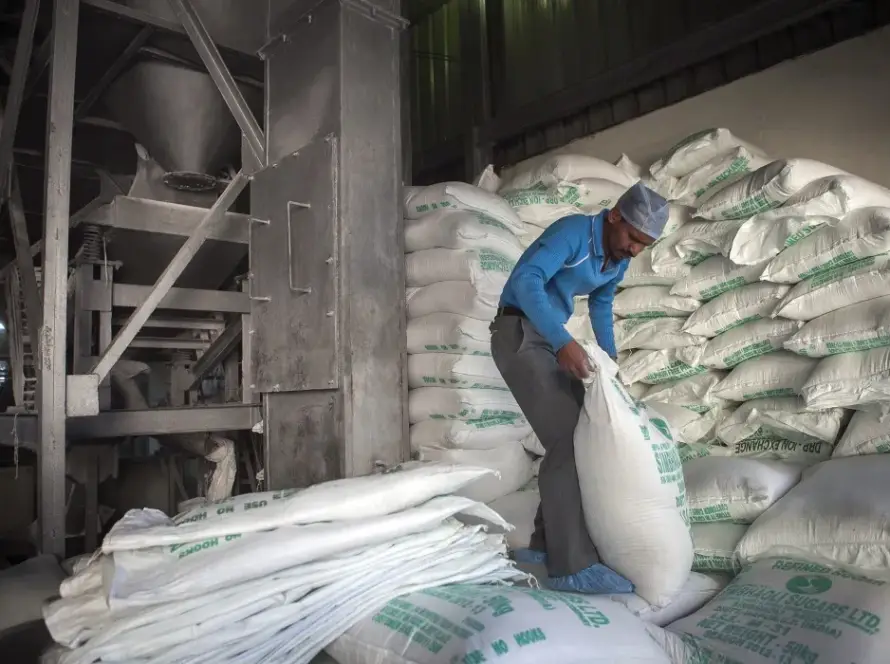
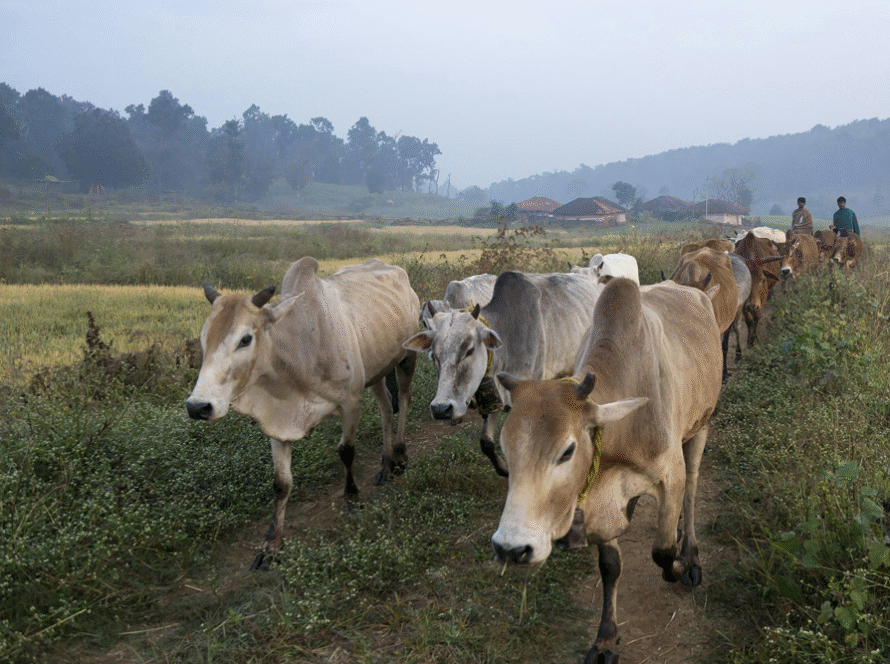
The golden hues of a vast organic wheat field under a clear blue sky hint at the abundant potential of sustainable agriculture and the vital role of grains like millets in our food supply.
Organic farming is gaining momentum as climate change and population growth challenge traditional agriculture. By focusing on robust, nutrient-rich grains, farmers can secure better yields even in tough conditions sciencesocieties.org. Millets and other coarse grains thrive in arid environments where water-intensive crops falter, offering resilience and supporting food and climate security. At Dhara Traders, we believe that integrating organic millets, wheat, maize, and other grains into farming systems can sustain both the land and local economies.
Why Millets Matter
Millets (such as pearl millet or bajra) are a group of small-grained cereals that flourish with minimal water. Unlike water-loving staples like rice and corn, millets can grow in semi-arid climates and poor soils sciencesocieties.org. This makes them critical for drought-prone regions. In fact, millets can reduce farming risks by maturing quickly (often in just 2–3 months) and yielding reliable harvests even under heat stress. Choosing organic millets helps maintain soil health because these hardy grasses improve soil structure and support biodiversity nifa.usda.gov.
Key Benefits of Organic Grains
Organic grains offer multiple advantages for farmers and consumers:
- Drought Tolerance: Millets and sorghum need far less water than wheat or rice, making them ideal during dry spellssciencesocieties.org.
- Nutritional Value: Grains like millets, sorghum, and barley are rich in protein, fiber, and essential minerals, boosting dietary health.
- Soil Health: Organic cropping techniques preserve and build soil fertility. For example, organic practices maintain soil structure and biodiversity while reducing toxic runoff nifa.usda.gov.
- Crop Diversity: Including millets in crop rotation breaks pest cycles and reduces disease pressure on primary grains.
- Livestock Feed: Many organic grains (such as oats, barley, and corn) serve as high-quality animal feed, promoting healthier livestock without synthetic additives.
Farmers can tap into new markets by growing organic grains, meeting rising demand for eco-friendly and healthful food. Dhara Traders supplies a range of organic grains— from wheat and maize to pearl millet and sorghum—empowering growers with certified seeds and quality feed.
Sustainable Farming Practices
Implementing organic methods is key to maximizing the benefits of grain crops:
- Rotate millets with legumes or vegetables to naturally replenish soil nitrogen.
- Use compost and green manures to add organic matter instead of synthetic fertilizers.
- Employ natural pest controls (for example, beneficial insects and trap crops) to protect yields without chemicals.
- Use mulches and moisture-conserving techniques to help coarse grains thrive in dry conditions.
By adopting these eco-friendly techniques, farmers bolster long-term productivity and comply with organic certification standards.
“By sowing organic grains today, we harvest sustainability for tomorrow.” – Farmer’s Proverb
At Dhara Traders, we are proud to support this vision by providing high-quality organic millets and cereals. Together, we can ensure that every harvest contributes to healthier soils, resilient farms, and a stronger food supply chain.
Tags: agriculture, farm, organic, eco, grainscus.