In recent years, technology has become an invaluable ally on the farm. Mobile apps and digital platforms now let farmers access weather forecasts, market prices, and expert advice right on their phones. For example, apps like e-NAM (National Agriculture Market) connect farmers to multiple mandis (markets), often fetching better prices for their crops. Others send SMS or voice alerts about rains, pest outbreaks, or optimal planting dates. This real-time information helps farmers make smarter decisions.
Precision Agriculture and Data Analytics
Beyond smartphones, precision farming uses sensors, GPS, and drones to optimize inputs. Soil moisture sensors tell exactly when and where to irrigate, avoiding waste. Satellite or drone imagery can spot nutrient deficiencies or pest damage early. Tractors and planters with GPS row guidance ensure even planting and spray patterns. These technologies mean farmers use only as much water, fertilizer, or pesticide as needed – which cuts costs and environmental impact. In fact, studies note that precision agriculture techniques (sensors, data analytics, automated equipment) help maximize yields while minimizing waste acfiindia.com.
Even small-scale farmers benefit: cooperative-owned drones and soil testing services are becoming available. For example, a drone can spray bio-pesticides on a field in minutes or create a field health map for just a few villages. All of these tools are increasingly user-friendly. A farmer or cooperative member might check an app that translates soil test results into fertilizer recommendations, or use an image-recognition app to identify crop diseases by photographing leaves.
Connecting Farmers to the Future
Farmers embracing digital tools often see measurable gains. Access to e-payment and farm-trade platforms (like simplified online auctions) reduces the need to carry cash to market. Weather apps help plan irrigation and harvest, saving both water and avoiding storm damage. In short, the modern farm blends tradition with innovation: data and connectivity ensure that planting decisions, feeding programs, and marketing strategies are all backed by the latest information.
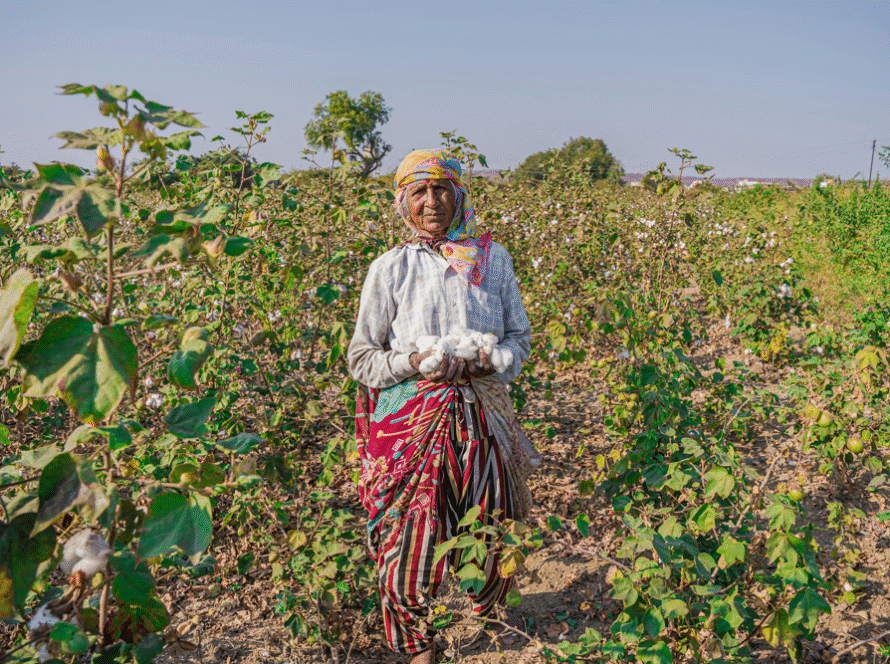
By using these digital innovations, today’s farmers – from Maharashtra cotton growers to Punjab wheat farmers – become more efficient and profitable. Technology in agriculture isn’t about replacing farmers; it’s about empowering them. When data-driven insights meet generations of farming knowledge, rural communities thrive and food supplies grow more secure.